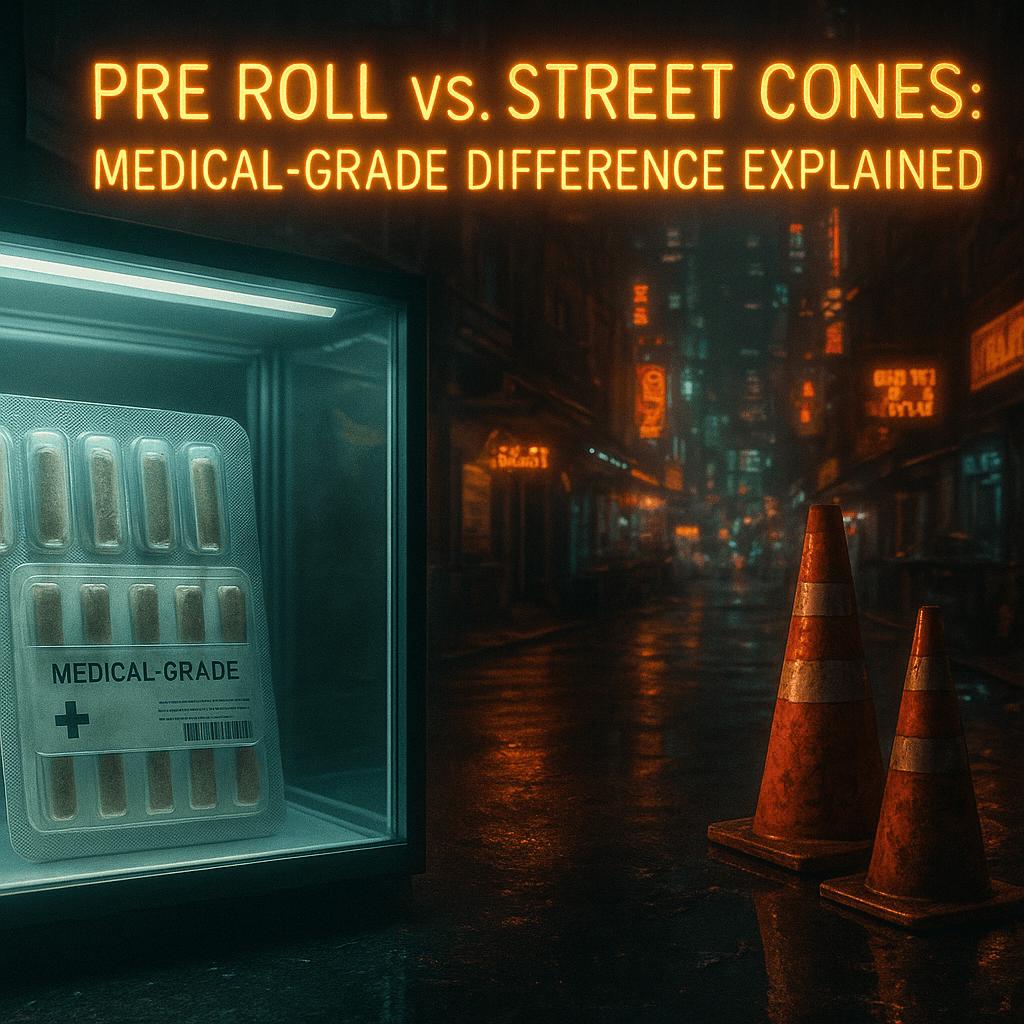
Best Pre Roll in Bangkok: Hand-Rolled vs. Machine-Rolled (Quality Tested)
Let's be clear upfront. If you're searching for the "best" in Bangkok's cannabis market, your primary concern must be safety and therapeutic integrity. Thailand’s legal framework is definitive: this is a medical context. Our quality test focuses on one critical, often-overlooked factor that separates compliant care from risky products: the roll itself. The choice between hand-rolled and machine-rolled products speaks volumes about quality, consistency, and ultimately, patient safety.Forget lifestyle magazines. We’re examining this through the lens of medical standards, lab results, and the practical realities of obtaining a reliable therapeutic product in Sukhumvit medical clinics and beyond.
Why The "Roll" Matters in Medical Cannabis
In a therapeutic context, consistency is non-negotiable. Your prescribed dosage—whether for managing chronic pain, mitigating chemotherapy side effects, or addressing insomnia—relies on uniform delivery. The method of rolling directly impacts burn rate, cannabinoid distribution, and the presence of unintended materials.
A poorly rolled product can canoe, burn unevenly, or introduce foreign particles. This isn't just an inconvenience; it compromises the precise delivery of active compounds. It turns a potential therapeutic session into an unpredictable and potentially harmful experience. The Thai Ministry of Public Health’s evolving regulations emphasize Good Agricultural and Collection Practices (GACP) for cultivation, but processing standards are equally vital.
Your medicine should not be a guessing game.
The Core Distinction: Hand vs. Machine
This debate isn't about artisan romance versus cold efficiency. It's about controlled, reproducible medical product standards versus variable, often unverified craftsmanship. Both methods have their place, but only under specific, verifiable conditions.
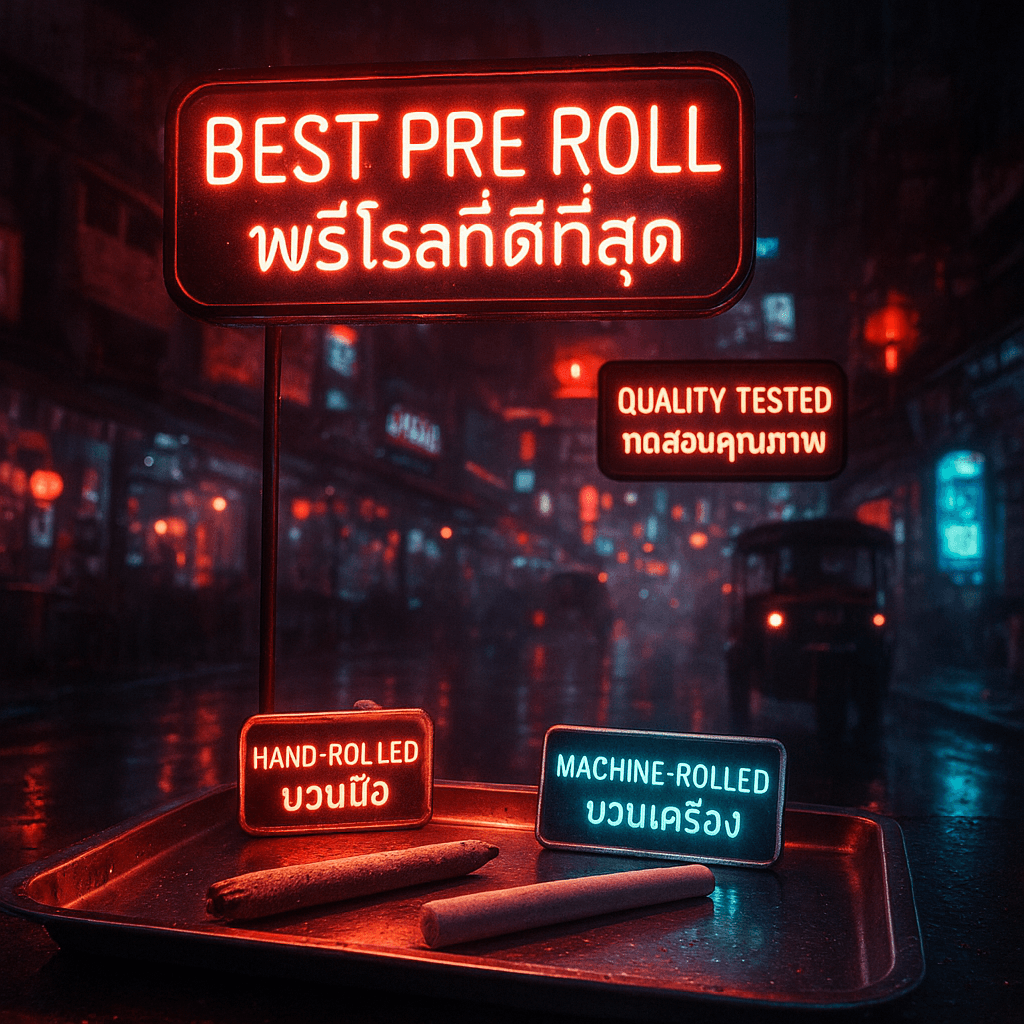
Hand-rolling, traditionally, allows for careful visual inspection of the material. A skilled technician can ensure whole-bud quality is used, excluding stems and shake. Machine-rolling, on the other hand, prioritizes speed and uniformity, often using milled or ground biomass. The critical factor isn't the machine itself, but the quality control and sourcing of the input material.
Without stringent oversight, both methods can fail the patient.
Hand-Rolled Pre Rolls: Potential and Pitfalls
The term "hand-rolled" suggests care, and when done correctly within a licensed medical facility, it can be excellent. It implies someone physically handled and inspected the cannabis before it reached you. This aligns with principles of Thai Traditional Medicine, where the preparer's knowledge is integral to the remedy's quality.
However, in the unregulated grey market, "hand-rolled" is a marketing term, not a safety guarantee. It tells you nothing about the grower's practices, pesticide use, or contaminant levels. Was it rolled with clean, gloved hands in a sanitary environment? Or in a back room with no oversight? You simply cannot know without verifiable data.
Medical Safety Checklist for Hand-Rolled Products:
- /Is the product sourced from a GACP-certified farm?
- /Can the provider present a current, detailed Certificate of Analysis (COA) from an independent lab?
- /Does the COA include heavy metal testing and microbial screening?
- /Is the product sold through a clinic following a legitimate doctor consultation?
If the answer to any of these is "no" or "I don't know," the risk outweighs any perceived artisanal benefit.
Machine-Rolled Pre Rolls: Consistency and Questions
Modern machine-rolling, when operated by a licensed producer, represents pharmaceutical-grade standardization. It ensures every unit has a nearly identical weight, density, and grind consistency. This is the gold standard for predictable therapeutic effect. The machinery used in compliant facilities is designed for sanitary, precise production.
The major red flag with machine-rolled products lies in their input material. High-volume machines are often fed milled biomass. This can be a loophole for using lower-quality trim, shake, or even remediated flower. You cannot visually assess whole-bud quality once it's ground and rolled.
Therefore, trust in a machine-rolled product is 100% dependent on the producer's transparency and adherence to standards. The COA for the batch is your only window into what you're actually consuming.
The Definitive Comparison: Compliant vs. Unregulated
Your key decision isn't truly hand versus machine. It's regulated versus unregulated. Here is the stark difference:
Licensed Medical/Clinic Pre-Rolls:
- /Sourcing: Traceable, GACP-certified cultivation.
- /Testing: Mandatory full-panel COA (cannabinoids, terpenes, heavy metals, pesticides, mycotoxins).
- /Context: Prescribed or recommended following a doctor consultation.
- /Goal: Reproducible therapeutic outcome, risk mitigation.
Unregulated/"Grey Market" Pre-Rolls:
- /Sourcing: Unknown origin, no verifiable agricultural standards.
- /Testing: Rare, often forged, or only for THC potency.
- /Context: Sold as a commodity, often with recreational language.
- /Goal: Sales and profit, with safety as an afterthought.
The "best pre roll in Bangkok" will always fall into the first category, regardless of how it was rolled. Sukhumvit medical clinics and other legitimate operators must provide this traceability.
How to Verify Quality in Bangkok's Market
As a patient, you must become a document examiner. Your first question should always be: "May I see the COA for this specific batch?" A reputable clinic or dispensary will have it readily available. Scrutinize it. Look for the lab's accreditation, the batch number, and, crucially, the contaminant panels.
A COA that only shows THC/CBD percentages is medically useless. Insist on seeing results for heavy metals, aflatoxins, and pesticide residues. This is the non-negotiable barrier between a potential medicine and a potential health hazard. Furthermore, ensure your use is part of an ongoing patient-doctor dialogue.
Self-medicating without professional guidance carries significant risks.
The Final Verdict: Precision Over Poetry
So, which method wins our quality test? For guaranteed medical safety and therapeutic consistency, a machine-rolled product from a fully transparent, licensed producer with comprehensive batch testing is the superior choice. It removes human variability and prioritizes reproducible dosing.
A hand-rolled product from an equally compliant source can be equally excellent, but the "hand-made" aspect offers no additional medical benefit. It is, at best, a neutral characteristic. In the unregulated market, both methods are equally suspect because the input material is unverified.
Your pursuit of the best ends not at a catchy stall, but in a clinic that prioritizes education, evidence, and ethical practice. The roll is a detail; the science and sourcing are everything. Choose the path with paperwork, professional oversight, and proven safety—every time.
Medical Disclaimer:
This article is for educational purposes only and does not constitute medical advice. Cannabis is a controlled substance in Thailand. Always consult with a qualified healthcare professional for diagnosis, treatment recommendations, and to understand the potential risks and benefits of any therapy. Do not disregard professional medical advice or delay seeking it because of something you have read here.